





The science of a healthier mouth.
One molecule, one date, one document per article. Enzymes, probiotics and probiotic toothpaste — read from the papers, not from the packaging.
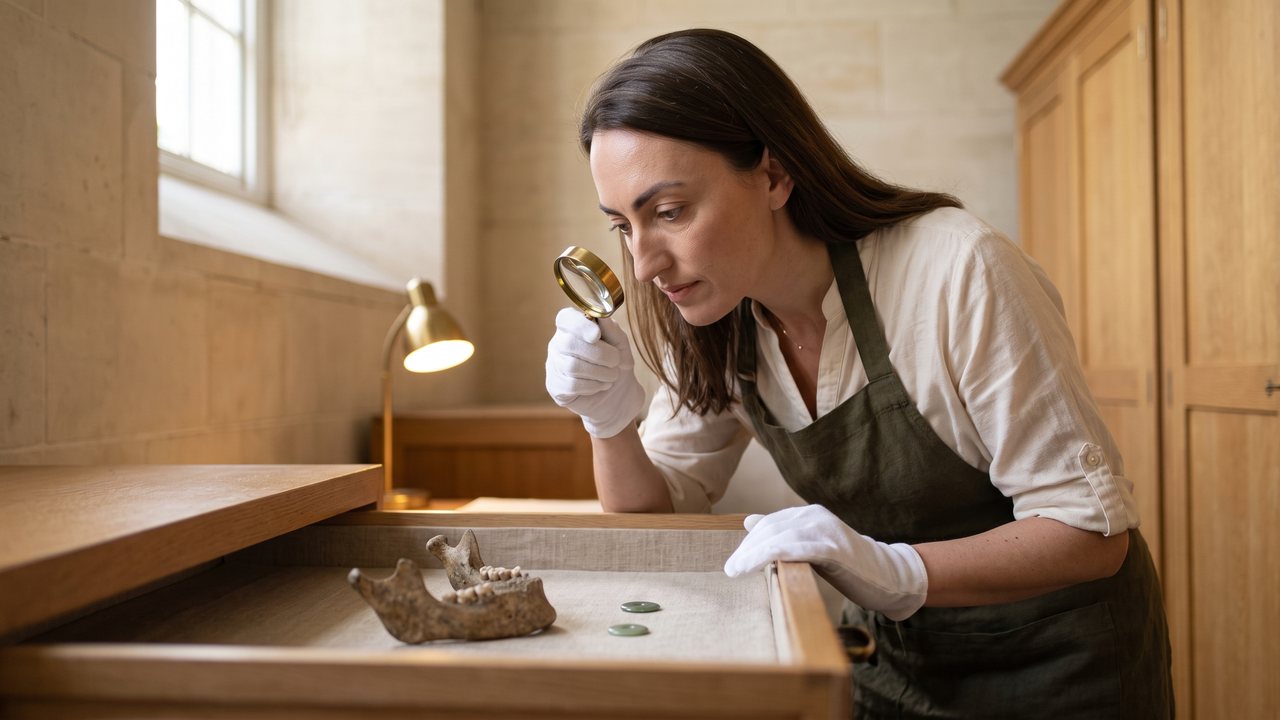
Are tooth gems bad for your teeth? Maya gems stayed put for 1,000 years, but decay sat in 18.5 % of jewelled teeth against 1.4 %. The risk lives at the edge.
Read →
How often should you replace your toothbrush? Not by the calendar: wear is personal, and in 172 people badly splayed brushes left more plaque. What to watch.
Read →
Does sugar cause cavities by dose or by clock? Frequency sets each acid attack; in 1 702 Finnish adults the amount, not frequency, tracked decay.
Read →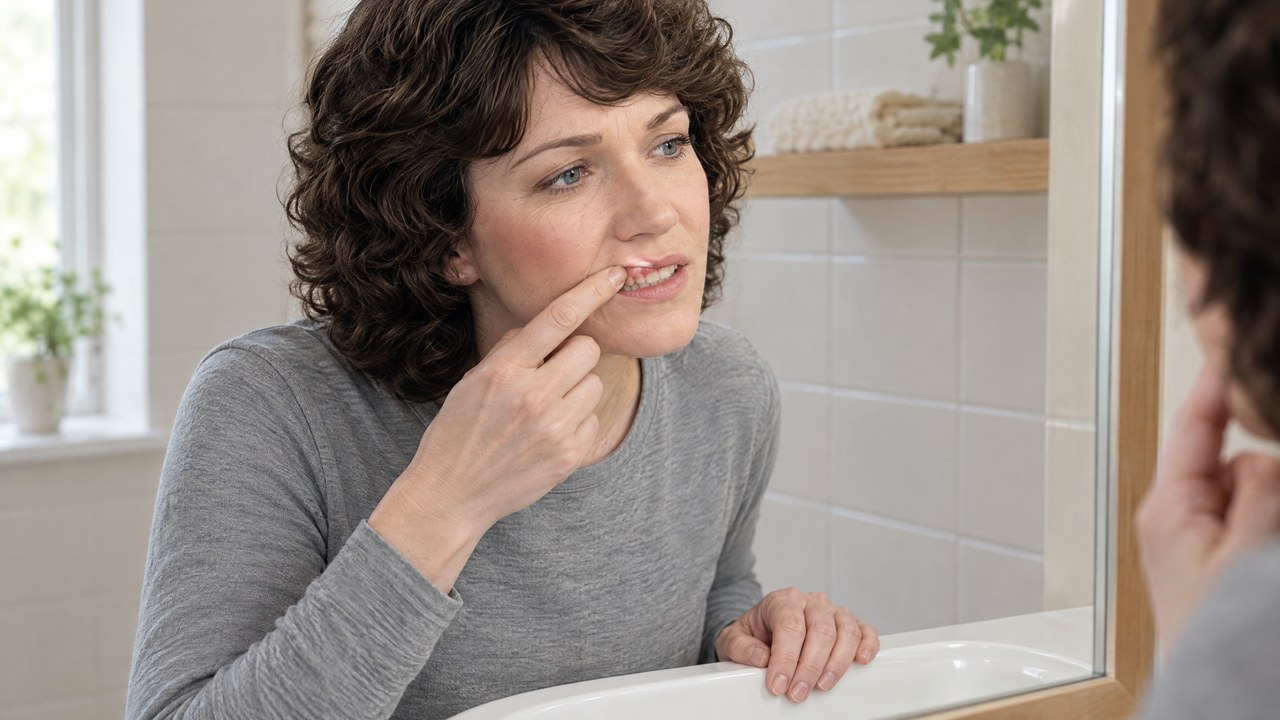
RDA rates dentine, not enamel — it counts where dentine is bared by recession, wear or erosion. In one Zurich test the paste scoring 12 did most enamel damage.
Read →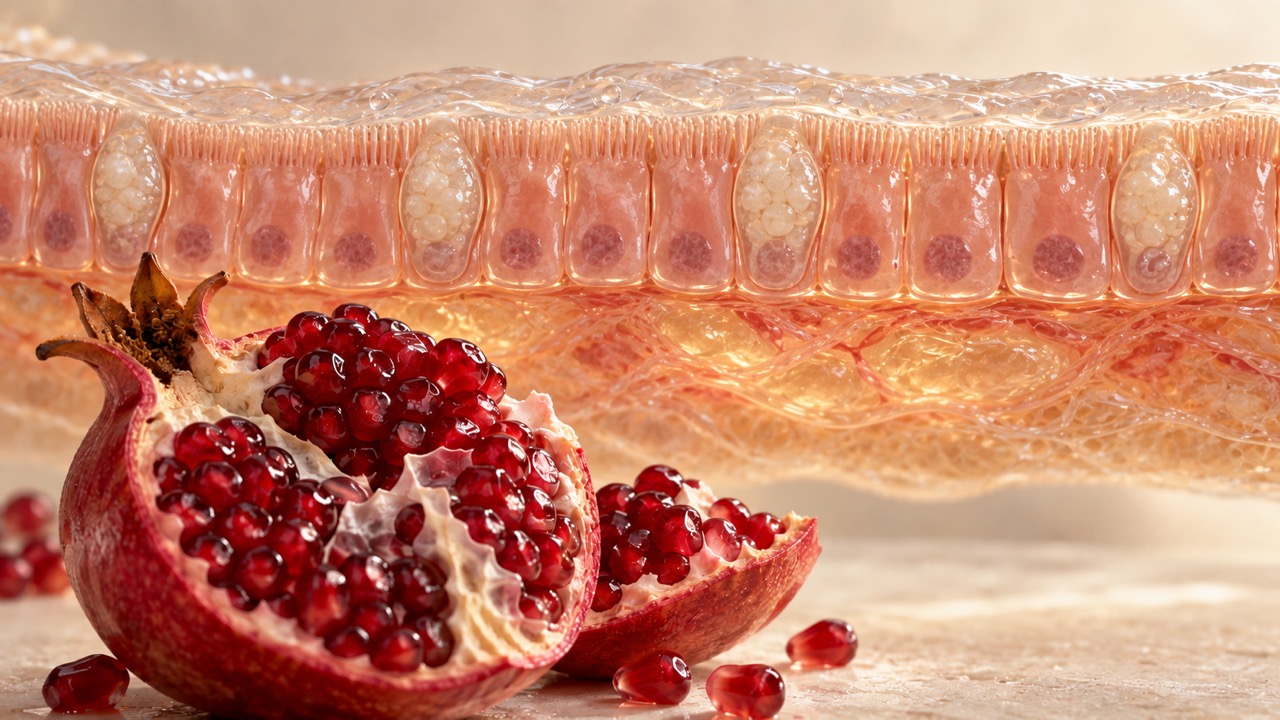
Urolithin A activated an AHR–NLRP6 repair relay in experimental gut models. Here is the mechanism—and what the study does not prove.
Read →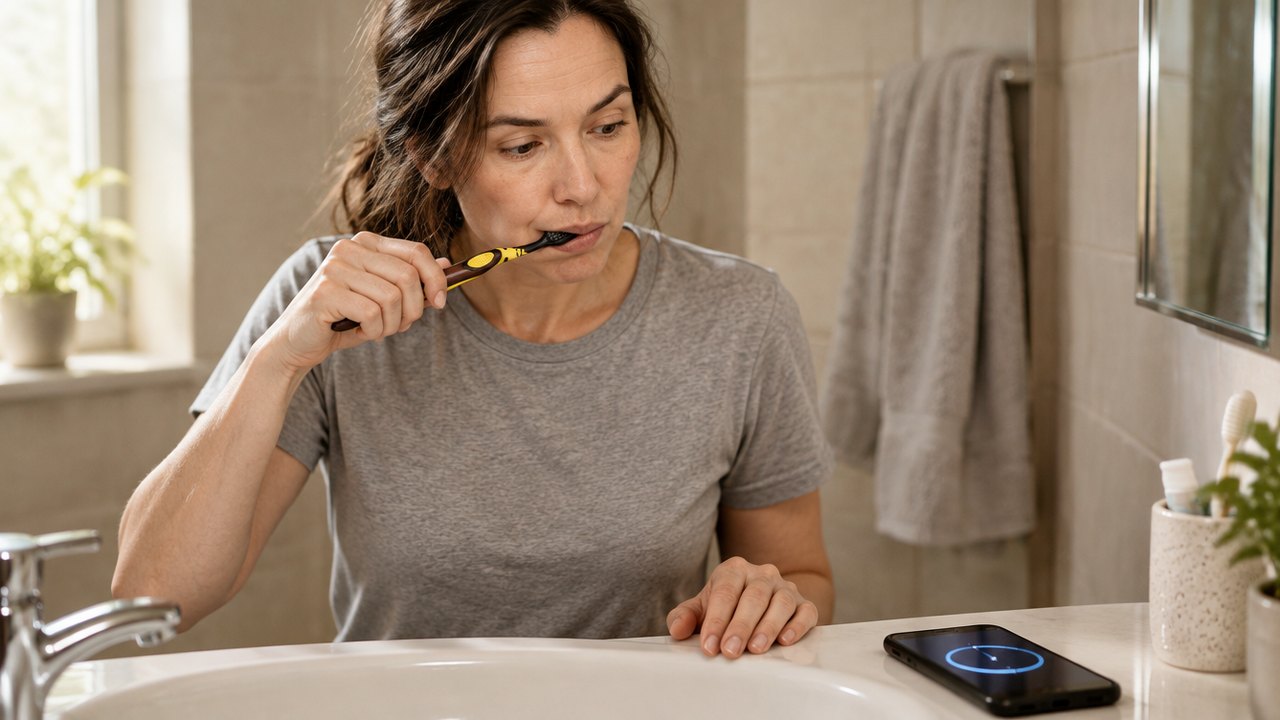
Measured, not assumed: 120 seconds removes 26% more plaque than 45. But five minutes removes no more between your teeth than one. Here is what the clock buys.
Read →
A tooth in Tuscany was drilled and filled 13 000 years ago. The oldest surviving cleaning tool is far younger. The record of teeth is a record of damage.
Read →
The most common question in our review queue has an unfair premise. Bristle stiffness is measured on one day — and the trials found three other things moved the outcome more.
Read →
In 2016 a wire story told the world flossing was useless and millions quietly stopped. The trial that would settle it has still never been run.
Read →
SLS is the detergent that makes toothpaste foam, not the part that cleans. Thirty years of trials still disagree on whether it causes mouth ulcers.
Read →
How Melaka handled gum inflammation in 1511: a leaf folded with clove, chewed daily. The West filed the habit as a vice and lost the chemistry.
Read → EN · 8 min read Hydroxyapatite vs Fluoride: Why 2026’s Trials Keep TyingTwo head-to-head comparisons this summer put hydroxyapatite against fluoride and found no significant difference. The variable had quietly moved somewhere else.
Read →
2.24 billion adults have it, and it is the most common condition on earth. By 2050 the children’s count falls to 436.76 million and the adult count climbs to 2.80 billion.
Read →
Brushed with the same paste for the same two minutes, enamel came out smoother and composite came out rougher. Only one of them can repair itself.
Read →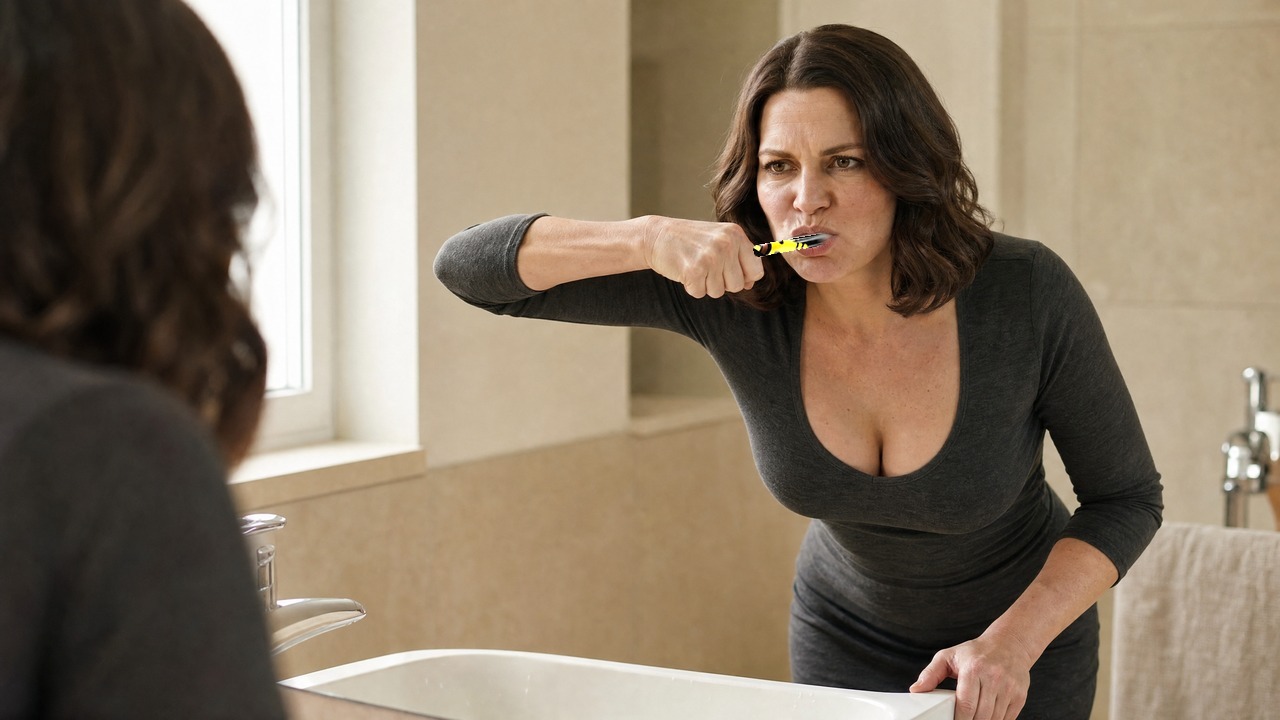
With the force set for you, pressing harder removed more plaque. With the force in your own hand, it predicted nothing at all.
Read →
How to stop bleeding gums: one dish never left Confucius's table around 500 BC, and a Song scholar said why. Science named the molecule in 2008.
Read →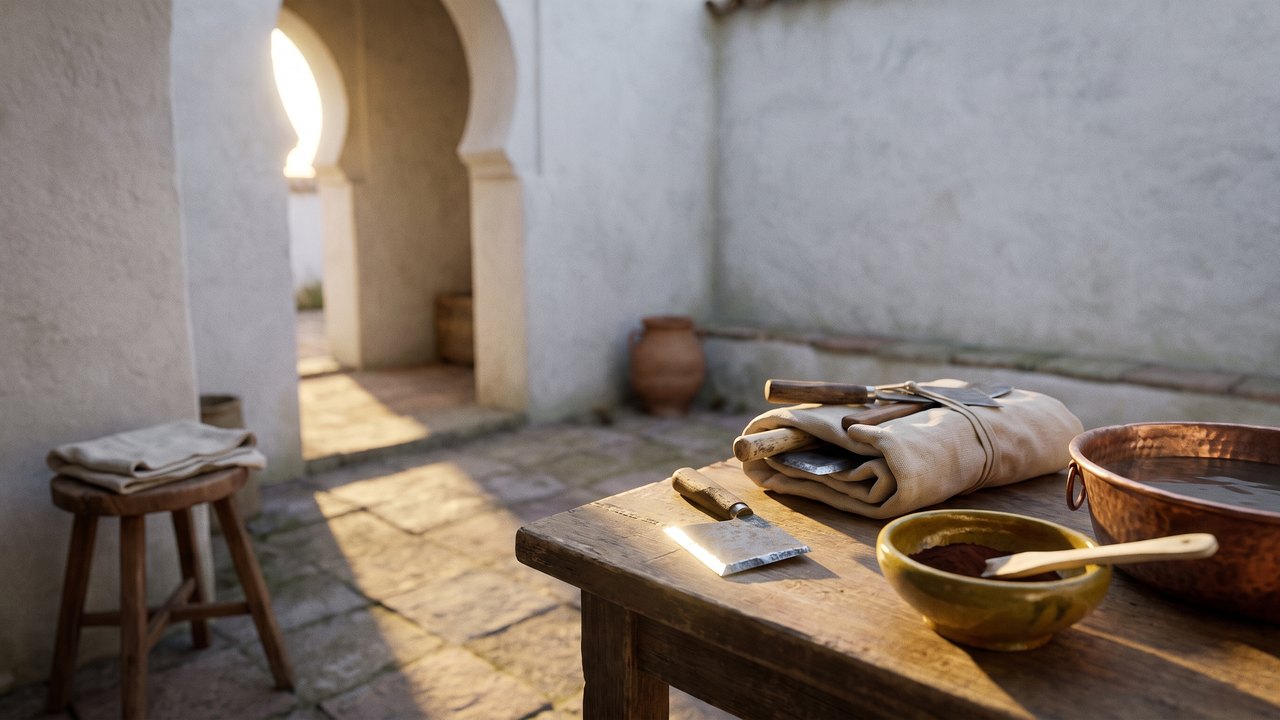
How to remove tartar from teeth: a Córdoban surgeon named tartar the cause of gum disease around the year 1000. Europe taught his book for six centuries.
Read →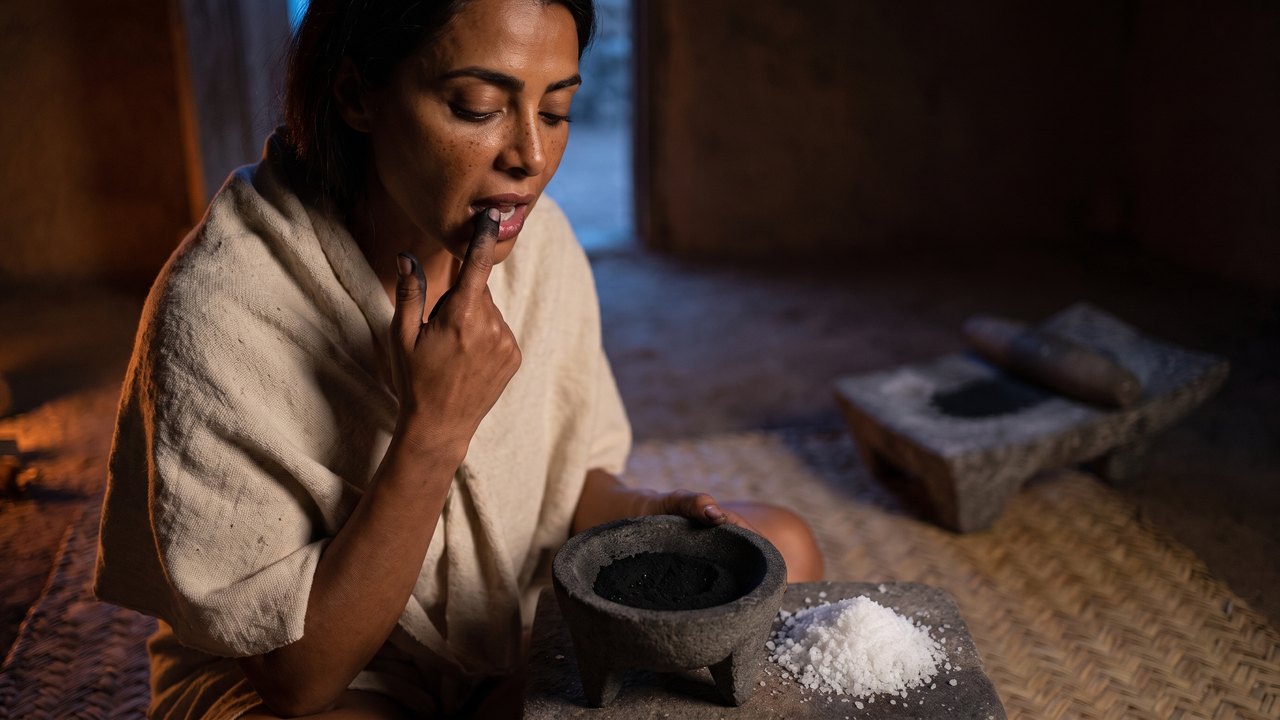
Is charcoal toothpaste good for your teeth? Aztecs rubbed theirs with charcoal and salt. A king seized the only record in 1577 and Europe could not read it.
Read →
Cinnamon for teeth is 620 years old. Ceylon used the bark as a tooth powder from 1406; Europe beheaded men to own it and never once brushed with it.
Read →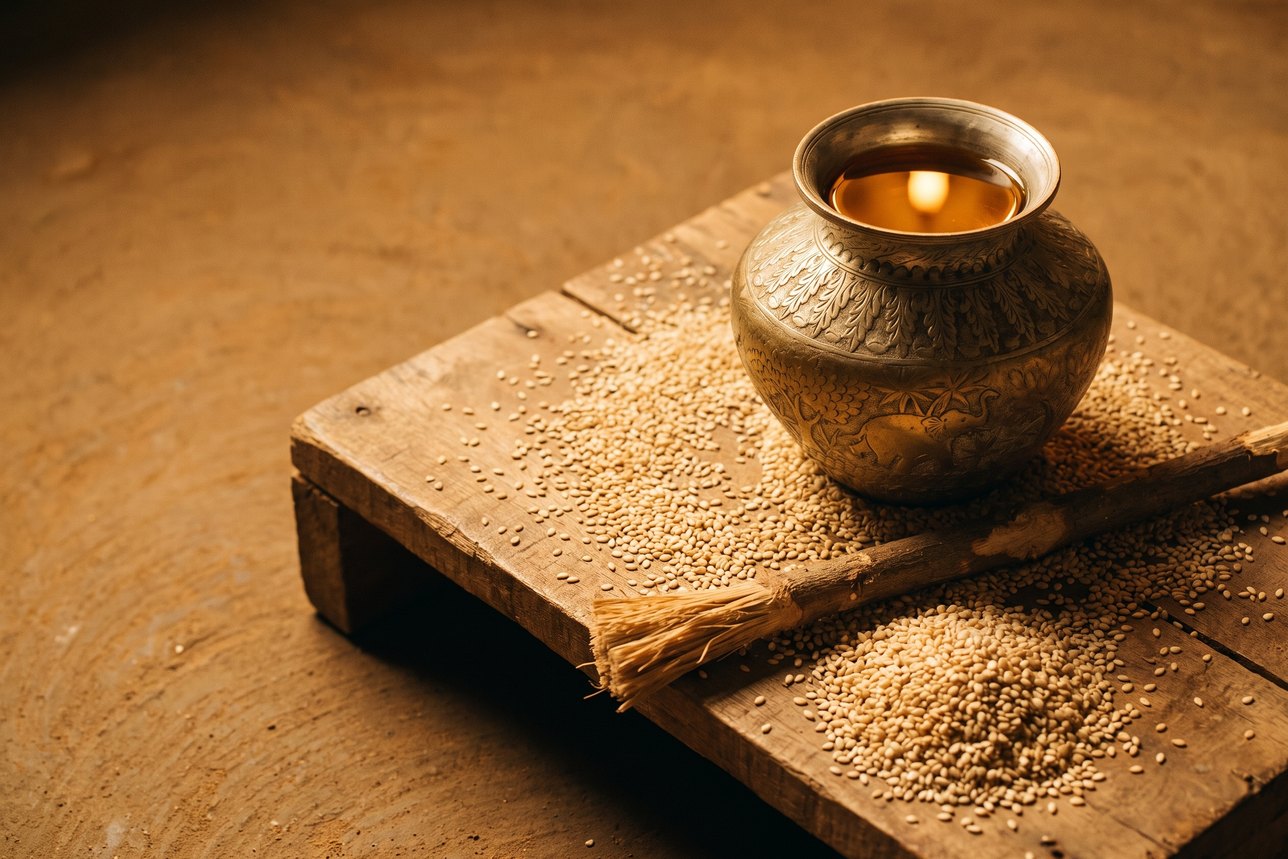
Oil pulling for teeth is 2,000 years old — Charaka Samhita, chapter five. The molecule doing the work is linoleic acid, measured only in 2008.
Read →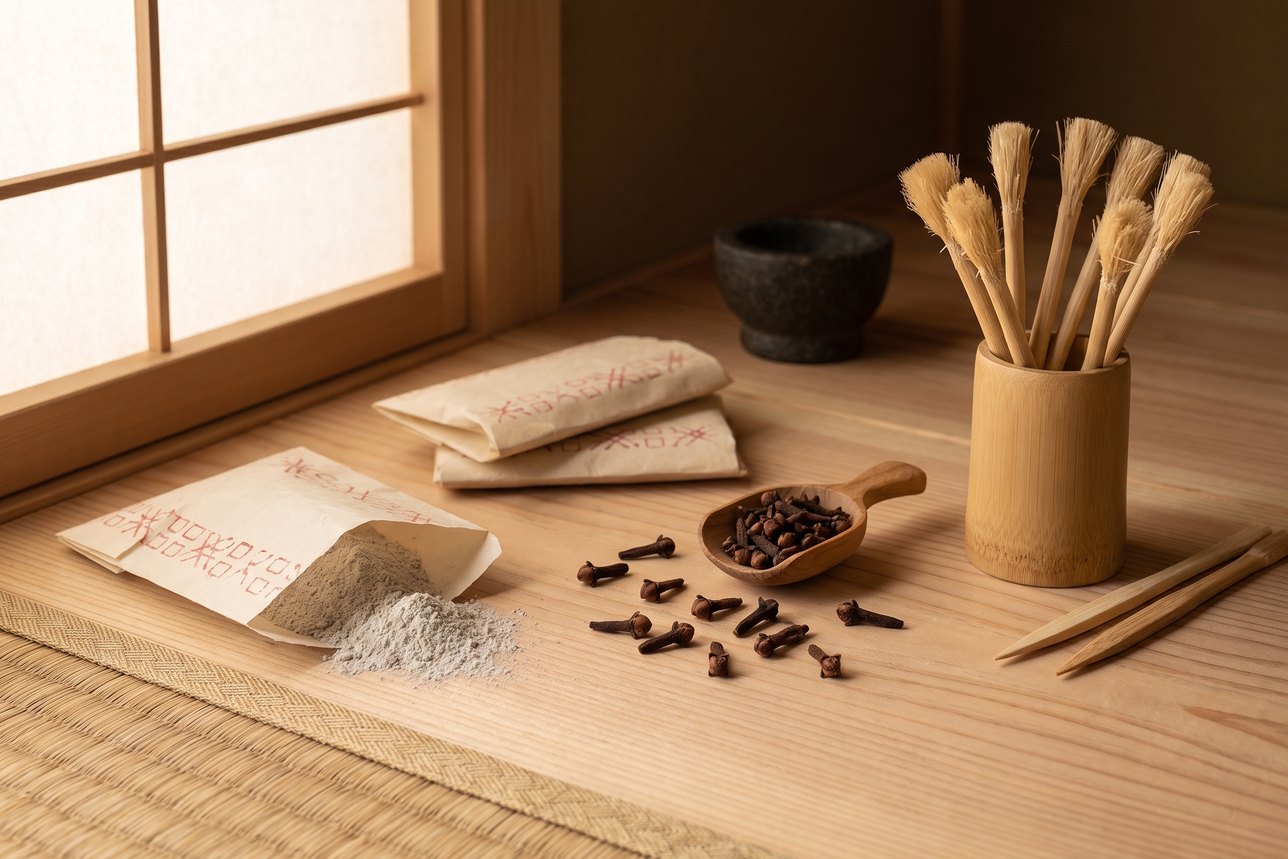
Clove oil for teeth is an emergency habit. In 1625 a merchant in Edo built Japan's first commercial toothpaste on the same molecule — eugenol.
Read →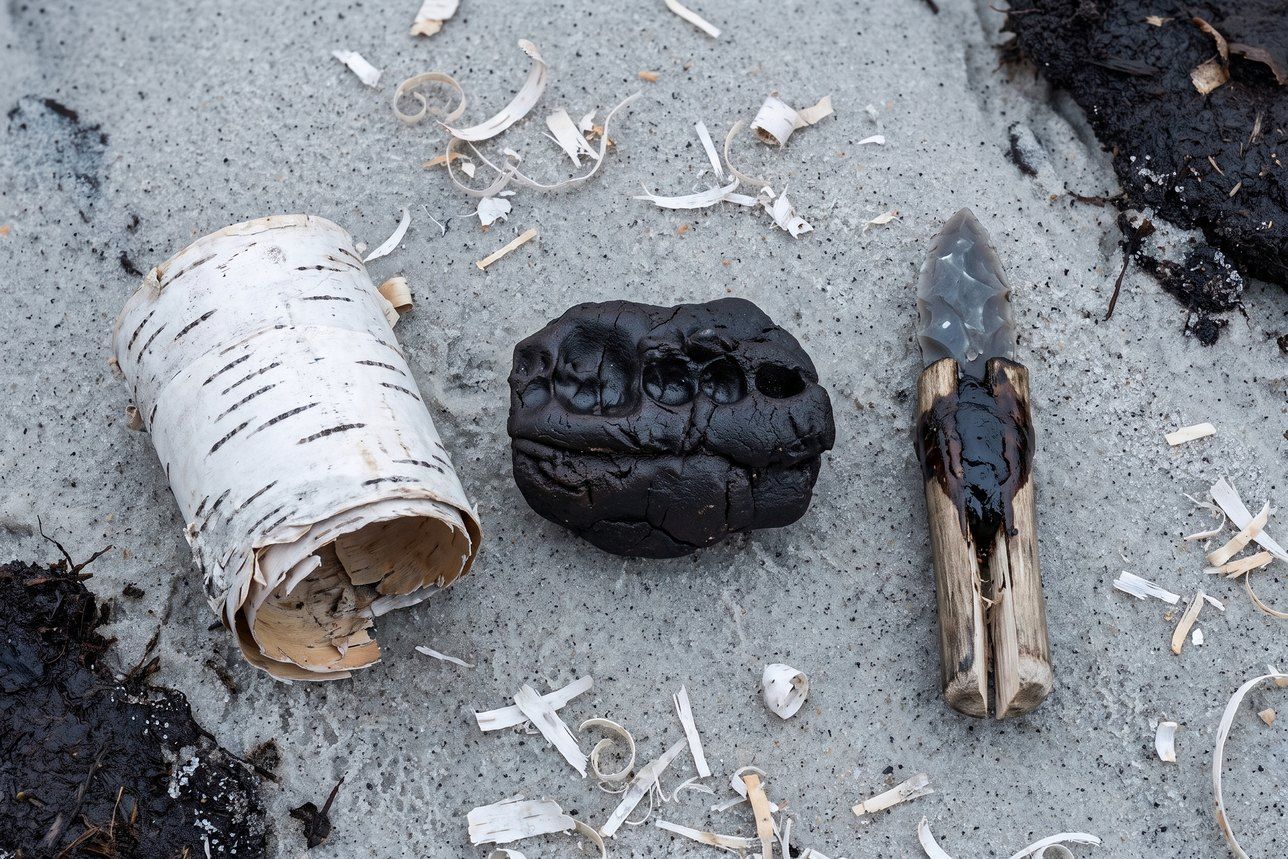
Xylitol for teeth comes from birch. Scandinavians chewed birch tar 9 700 years ago — and science only proved what it does to cavities in 1972.
Read →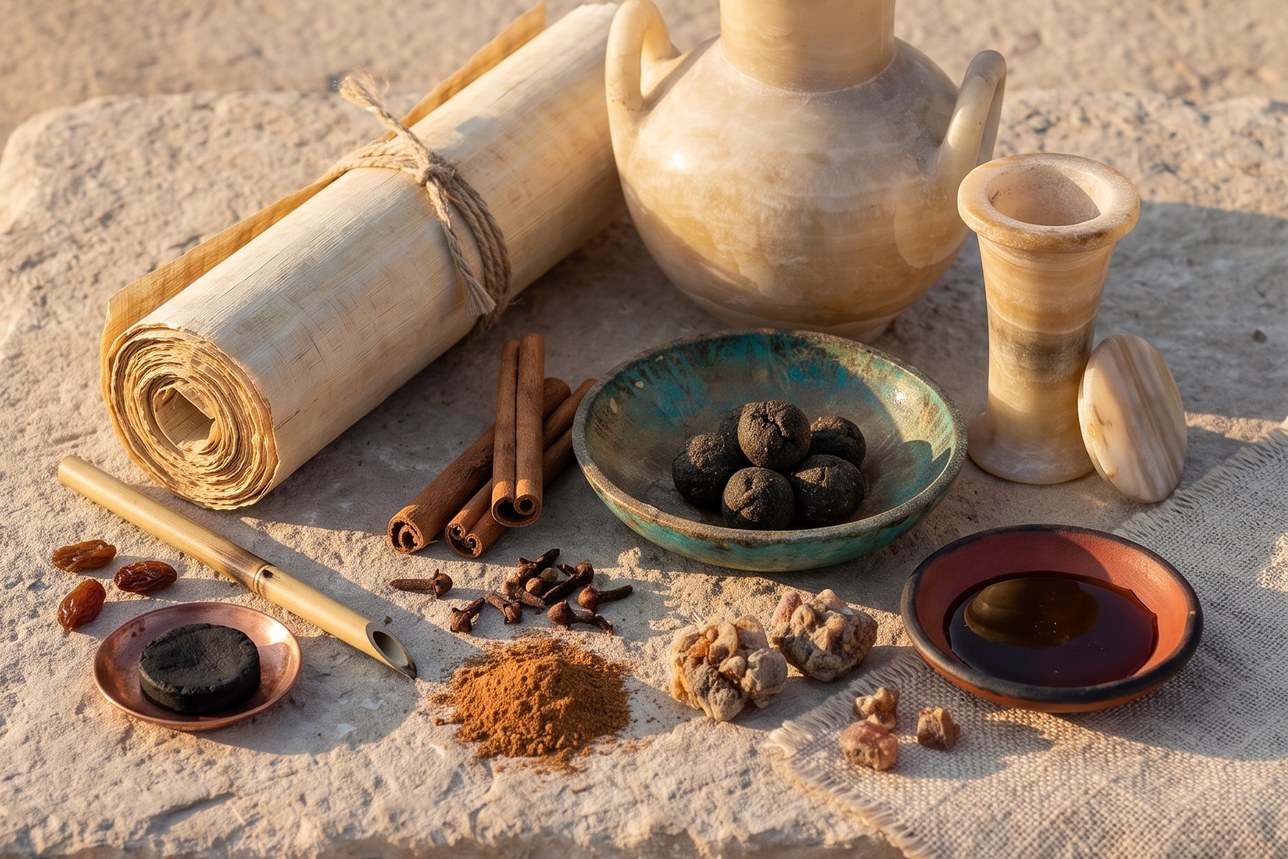
Egypt wrote down a natural bad breath remedy in 1550 BC, in a script that went unreadable for 1 428 years. The molecule in it is cinnamaldehyde.
Read →
Как восточная специя попала в стоматологию: гингерол и шагаол против воспаления дёсен, бактерий кариеса и запаха изо рта — и почему имбирь лишь помощник, а не замена гигиене.
Read →
Scientists discovered giant circular DNA structures called "inocles" in the mouths of most people. Here's what they mean for immunity, cancer risk, and everyday oral care.
Read →
Why most oral probiotics die before they work — and how spore-forming Bacillus coagulans survives to fight cavities, gum disease, and biofilms, restoring oral microbiome balance.
Read →
Most so-called probiotic toothpastes hide a quiet secret: their bacteria are dead before the tube opens. Why survival — not marketing — is what separates real oral-care science from illusion.
Read →
Why people skip fluoride and how fluoride-free toothpaste protects teeth by supporting the oral microbiome, natural remineralization, and gentler daily care.
Read →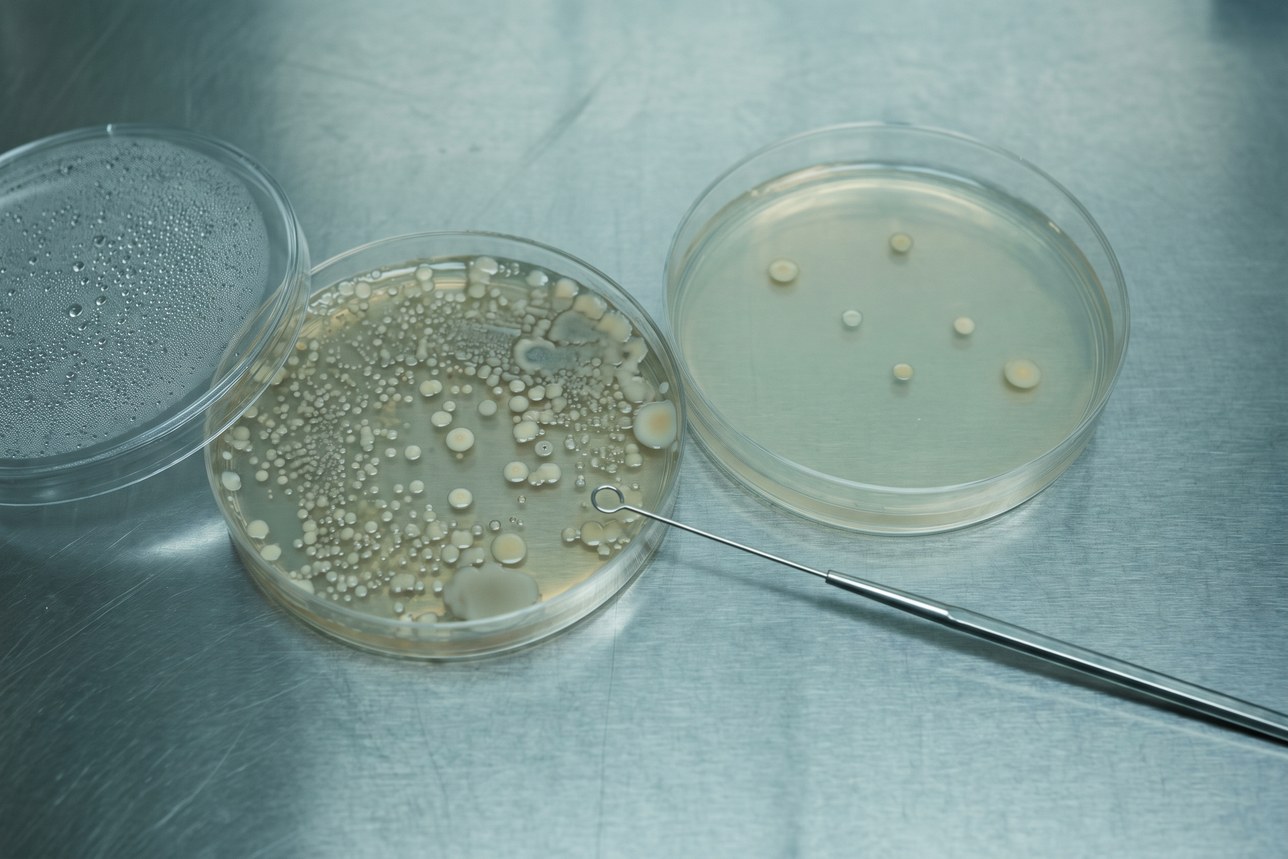
Oral probiotics innovation nurtures a balanced mouth microbiome that naturally fights decay, bad breath, and gum disease — a gentler alternative to chemical oral care.
Read →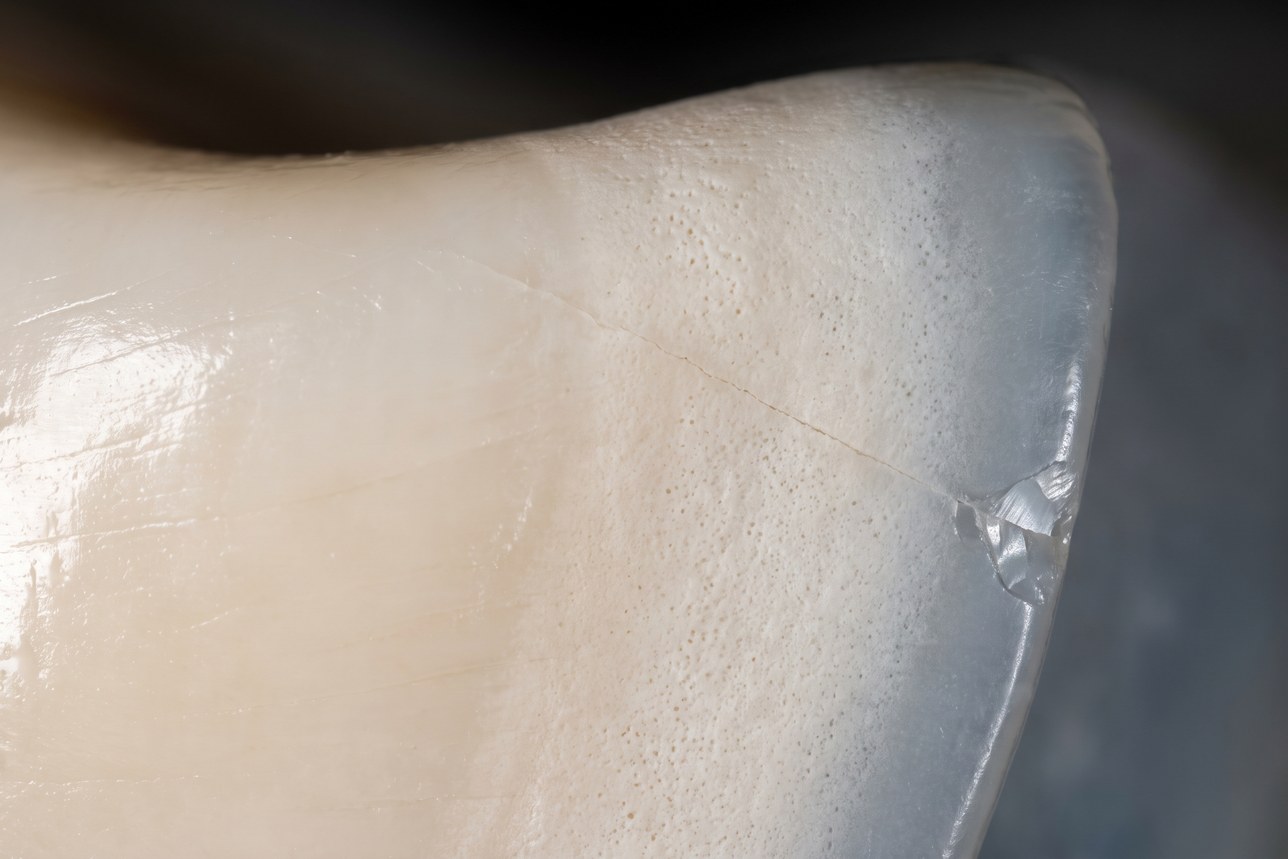
If toothpaste is so perfect, why do dentists still warn about enamel erosion, gum inflammation, and plaque? A look at the gap between oral-care marketing and real science.
Read →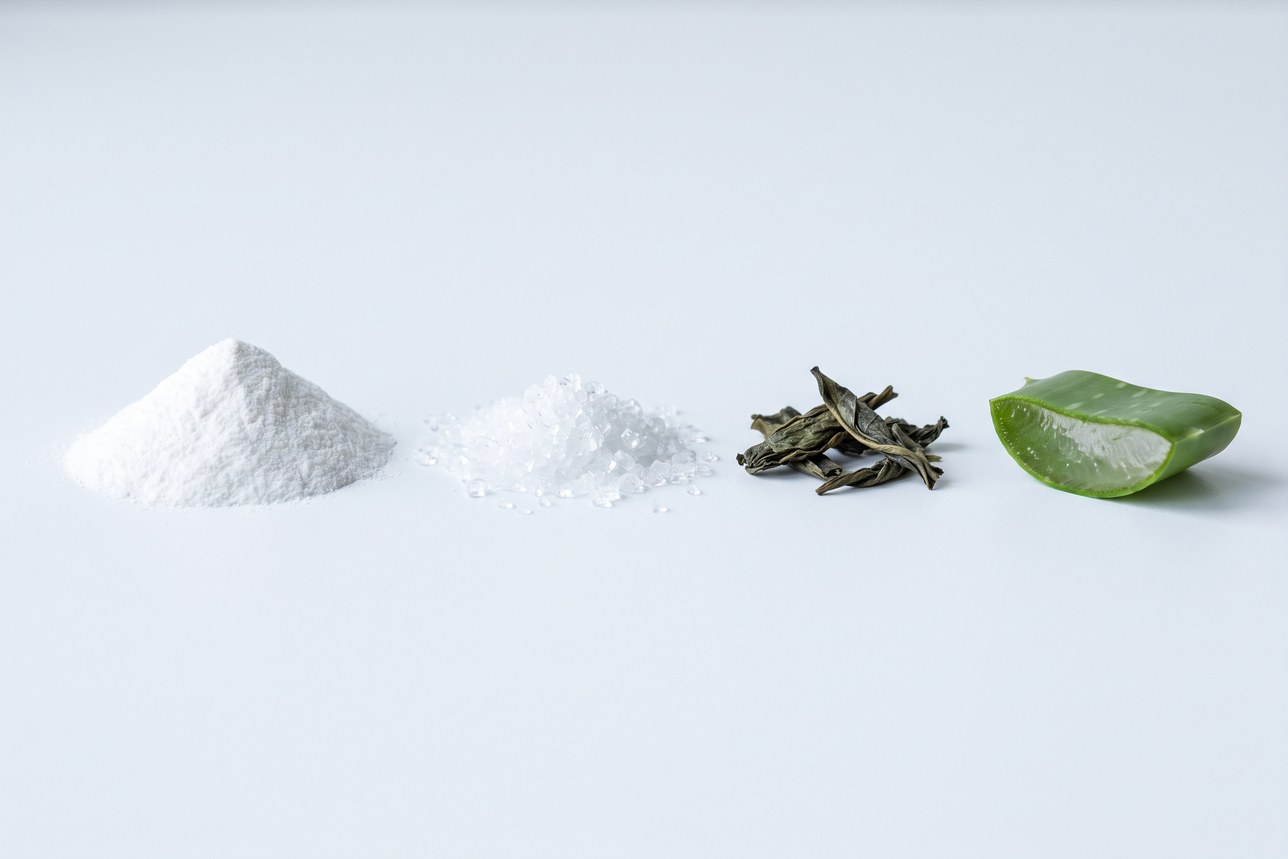
A higher price is not evidence. The upgrade is worth it only when a supported feature matches a need and improves the routine you will actually follow.
Read →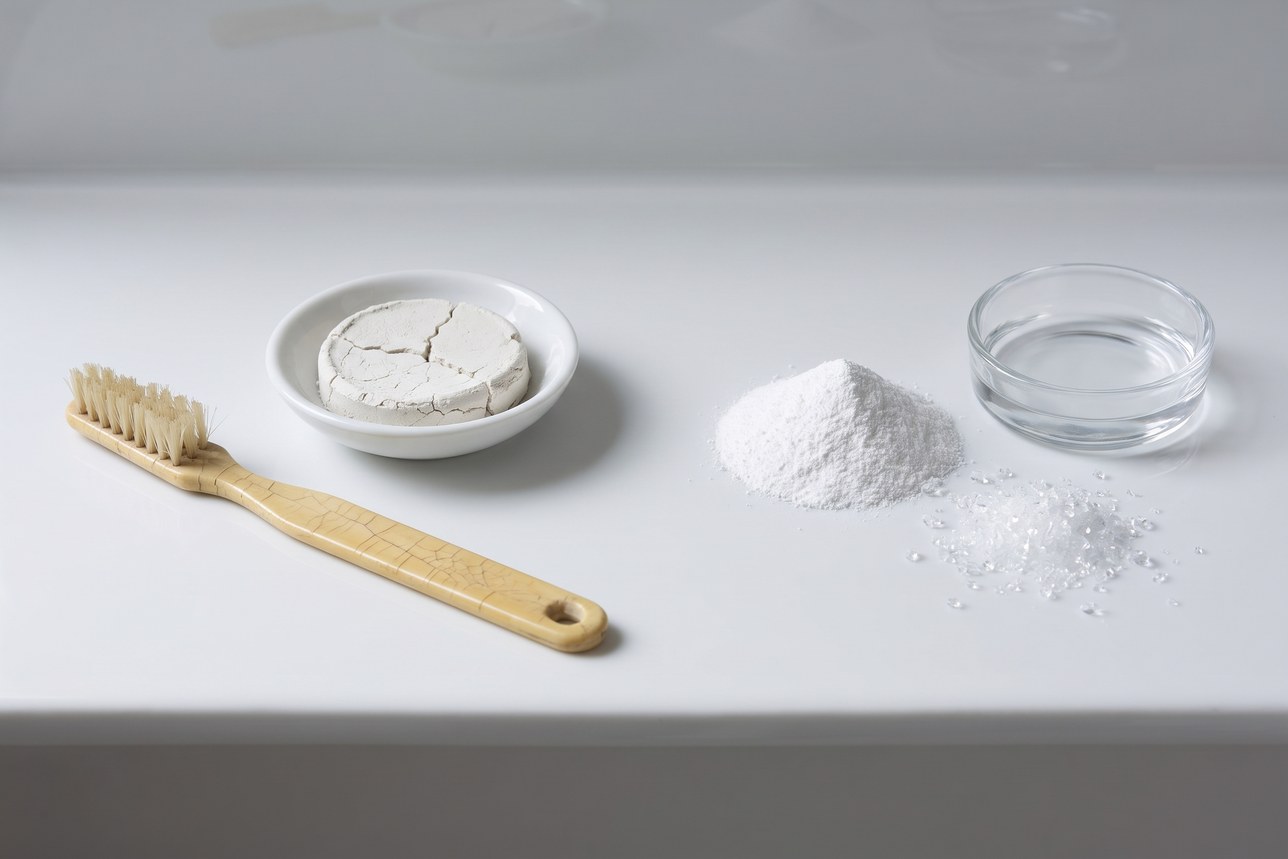
Why are we still brushing our teeth with chemicals invented over a century ago? A look at the six science-driven pillars ending the era of damage-based oral care.
Read →