





Xylitol and Heart Risk: What Does It Mean for Toothpaste?
A study reported at ESC Congress 2026 linked higher blood xylitol levels with more heart and blood-vessel events. It did not test toothpaste use or show that xylitol caused those events. The important distinction is between finding a warning signal and establishing what caused it.

Brief coverage: 2026-08-28–2026-09-04 · Source review: 2026-10-02
What did the xylitol researchers actually compare?
The analysis followed 17,710 people across two groups: Canada's CLSA and the UK's EPIC-Norfolk. Researchers compared the quarter with the highest blood xylitol levels with the quarter with the lowest. The reported relative increase in major cardiovascular events was 57% over six years in CLSA and 18% over thirty years in EPIC-Norfolk. The event category included death, heart attack or stroke.
These are separate groups with different follow-up periods. A taller bar would not show that one country was less safe, or that the risk faded over time. Such a comparison would require a different analysis.
Does 57% higher risk mean 57 people out of 100?
No. Relative risk describes how one group's risk compares with another's. Absolute risk tells you how often the event happened. Without the starting risk, a percentage increase cannot tell you how many extra people were affected. The ESC summary does not provide the absolute event rates needed for that calculation.
If you have ever read a worrying percentage and immediately pictured your own future, this distinction matters. A comparison between groups is not a prediction for one person.
Why does the xylitol finding leave toothpaste unanswered?
The researchers observed blood levels and later events. They did not assign toothpaste or measure its use as the tested exposure. Blood-level findings therefore cannot establish a toothpaste-specific risk. An association also cannot, on its own, separate cause from other differences between people.
This article covers a conference report described in an ESC press release, not a new toothpaste trial. Its useful lesson is how to read the evidence: check what was measured, what was compared, and what remains unknown. Before treating a headline as a personal warning, ask whether the study actually tested the thing you use.
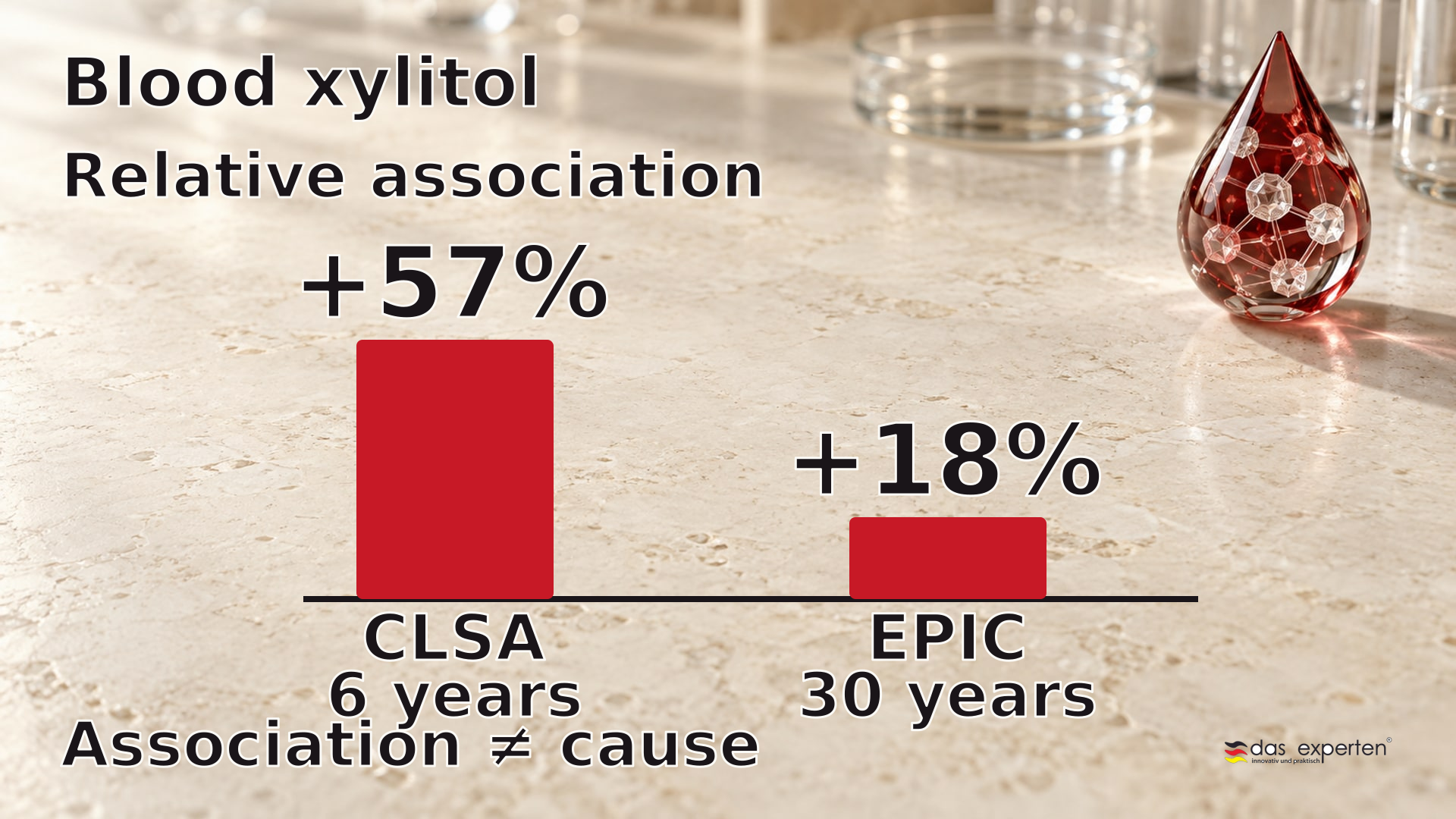
| CLSA | +57% | 6 years |
|---|---|---|
| EPIC-Norfolk | +18% | 30 years |
Questions about this study
Did this study show that xylitol toothpaste causes heart attacks?
No. It studied blood xylitol levels and later cardiovascular events. It did not test toothpaste use or establish causation.
Can the two reported percentages be compared as one timeline?
No. They came from different groups followed for different lengths of time. They are separate comparisons, not repeated measurements of one group.